This article was written by Nancy Doda, an international expert in powerful learning for students

At Americans Who Tell The Truth, we are eager to stir the hearts and minds of young people towards caring deeply and acting boldly to make our world a better place. Often such initiatives are reserved for experiences outside school learning. We believe, however, that connecting school and life holds the greatest promise for enhancing student engagement and creating enduring learning. As such we have created The Samantha Smith Challenge to build a bridge between the classroom and the community and show students that no matter what age, they can be part of solving the challenges and problems they see in the world.
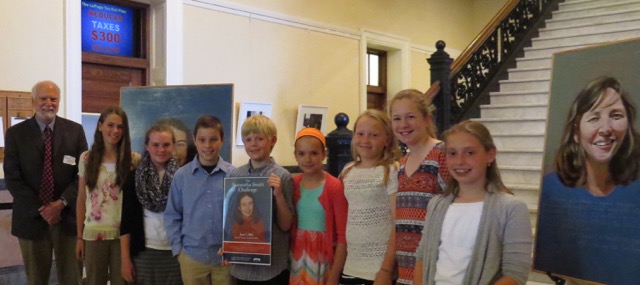
The Samantha Smith Challenge (SSC) is named for a young peace activist, Samantha Smith, whose single voice made a positive difference in the world affairs of her time. Samantha entered young adolescence during a critical time in world history when the then Soviet Union and the United States were locked in a cold war. In December 1982, when Samantha was ten years old, she appealed to her mother to help explain this tension. She explained “I asked my mother who would start a war and why. She showed me a news magazine with a story about America and Russia, one that had a picture of the new Russian leader, Yuri Andropov, on the cover. We read it together. It seemed that the people in both Russia and America were worried that the other country would start a nuclear war. It all seemed so dumb to me. I had learned about the awful things that had happened during World War II, so I thought that nobody would ever want to have another war. I told Mom that she should write to Mr. Andropov to find out who was causing all the trouble. She said, ‘Why don’t you write to him?’ So I did.”

Samantha wrote that letter and eventually visited the Soviet Union where she launched a peace-making venture that may have in fact helped avert a war. She also brought Russian and American students together to build understanding and appreciation of one another and to focus on building allies and connections instead of armies.
Like Samantha, many young adolescents are ready to ask the hard questions about problems they observe in their lives and the world. Adolescence is a pivotal time in human development. During this period of tremendous growth and change, our students experience significant cognitive, physical, emotional, and moral shifts. Decades ago, developmental psychologist, Erik Erikson declared adolescence an entry into life’s identity crisis. This is the time in life when young people entertain questions like: Who am I? What do I believe in? What matters in my life and in the world? How can I be all I want to be? How can I help others in need? Why do bad things happen to good people?, and so on. In many ways, young adolescents are emerging philosophers, and burgeoning Samaritans as a consequence of their developmental shifts. These important life shifts are so profound that some have argued that who we become between the years of 10-19 shapes the trajectory of who we are in our adult lives. So it is that these “turning point” years offer us a marked chance to stimulate the civic sentiments and caring dispositions we all aspire for young people to acquire as they grow.

Participation in the SSC can yield many rich educational benefits for students, teachers, and community. The nature of learning that emerges from the SSC is unique because it holds the capacity to engage young adolescents in an empowering entry into real-world issues, as they are asked to identify and investigate an unresolved issue or disturbing problem in their communities. Moreover, it seeks to bring young people into awareness of the persistent issues that challenge others in their communities and in our world. It aspires to cultivate the natural altruistic dispositions in our young people and help them understand the power of civic participation to make the world a better place.
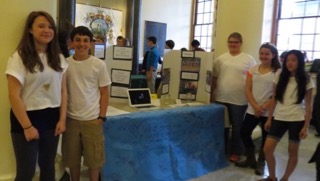
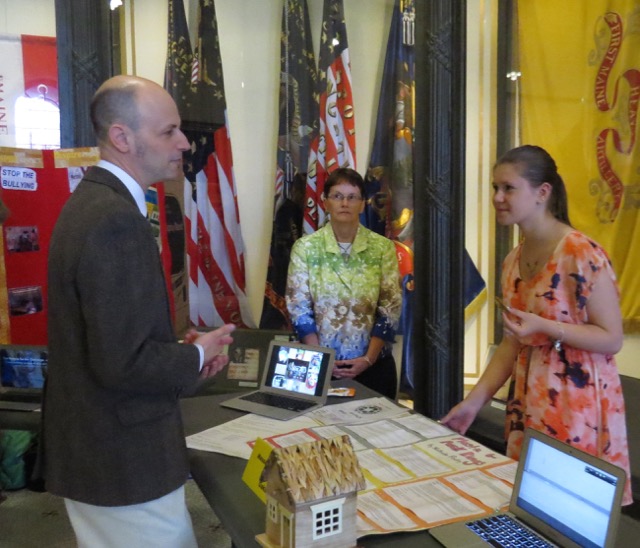
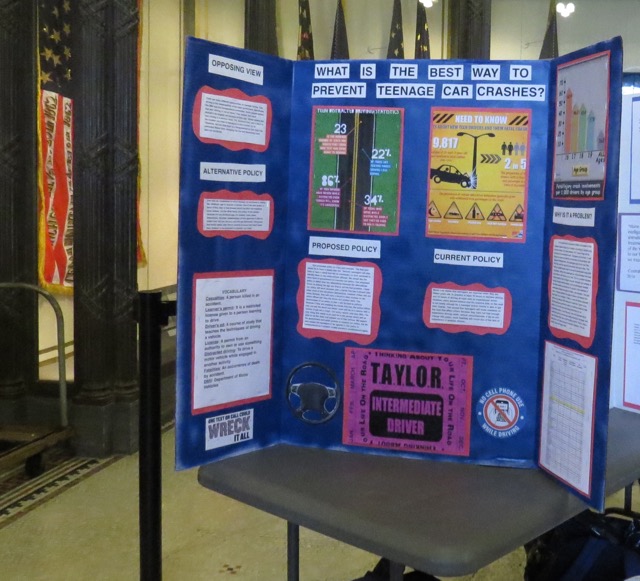
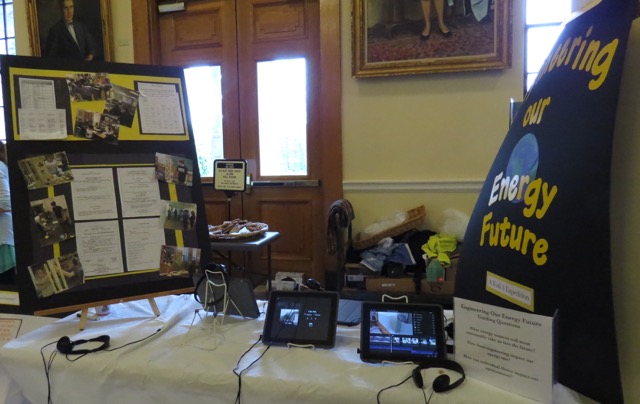
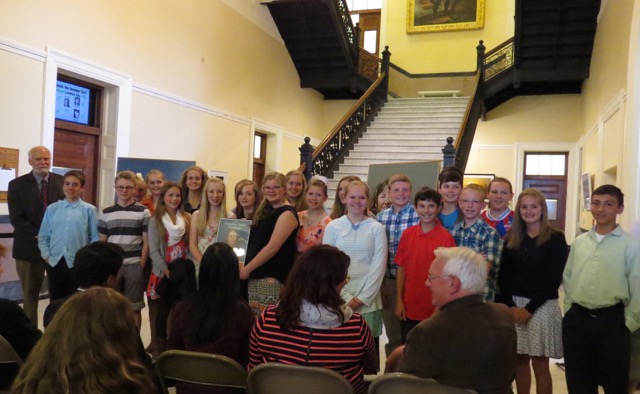
In particular, students participating in the SSC will develop a broad range of sensibilities, aptitudes, and understandings that reflect traditional academic standards, 21st-century learning outcomes, and social, emotional and civic dispositions. Last year, over 700 middle school students from schools across the state of Maine participated in the Samantha Smith Challenge. In June, at the state capitol, many participating students gathered to share their findings and accomplishments. These students declared this to be the most exciting project of their school year. Many noted they were transformed by what they learned and gratified by what they could do to help resolve the issue they investigated. Students observed that they learned how to conduct real-world research, interface with local officials, and organize evidence in ways that could be shared with others. For many, and most importantly, this was the first time in their schooling they had actually focused on examining a real, local issue or problem in earnest.

Educators planning for the SSC rightfully want reassurance that this learning experience will assist them in meeting the CCSS or state standards. As you plan to engage your students in the SSC, it may be helpful to keep in mind that the SSC seeks to meet or exceed many of the CCSS. By its very nature, the challenge addresses what we choose to call “power standards”- standards drawn from a rich bank of standards embedded in the Common Core standards, 21st century Learning, social and emotional literacy, and service learning.
 The nature of the SSC evokes certain standards over others. In particular, most challenge experiences require students:
- to identify a troublesome social issue or concern,
- to design and conduct research,
- to read and comprehend a wide variety of complex, nonfiction text,
- to interview others,
- to gather, compile and interpret a wide variety of data,
- to choose effective ways to organize and represent the data they collect,
- to write, and speak clearly throughout all phases of the work,
- to gather data and communicate results through varied media,
- to use data to persuade others,
- to rally for action,
- to interface with diverse people in positive ways,
- to manage time productively to complete multi-step work,
- to collaborate with others in all phases of the challenging work,
- to listen attentively to others,
- to apply knowledge wisely to generate recommendations for action,
- to show empathy for others and the difficult circumstances they face,
- to understand how local citizens can make a difference in their communities,
- to appreciate the challenges of changing beliefs and practices,
- to embrace the value of using knowledge to improve lives,
- to create new and promising solutions to community problems.
These skills and understandings should sound very familiar. As “power standards”, they address career and college readiness, emotional and social health, civic and service preparedness, and the life-long skill set young people need to manage 21st -century living.
Participation in the SSC, of course, does more than help our young people meet these many standards. In particular, it brings life into the curriculum. Since real world issues are complex and multidisciplinary, they call on students to draw upon a wide array of content knowledge, to utilize diverse academic and social skills, and to develop social and emotional dispositions often associated with civic and social learning.
Just as many adolescents have the developmental capacity to ask philosophical questions about life and the world, likewise many wonder about the meaning and value of what they are learning in school. Many ask: Why would anyone want to learn this? What does this have to do with anything in the real world? When can I use this? As one middle school student declared in a recent focus group, “We need to learn real stuff about life and not just stuff from the textbook.” Powerful learning demands that we find ways to connect our curriculum to the world and the SSC can help us do just that.

Those who have participated in the Samantha Smith Challenge have repeatedly reminded us that young people are concerned about the welfare of others and our world. Their projects rested on provocative questions such as:
- What energy source will most sustainably take us into the future?
How can an individual’s choice impact the environment?
- What is it like to be in poverty and what can we do about it?
- What can we do to reduce our carbon footprint?
- What does it mean to eat healthily?
- How can we educate people about the negative impacts of marine pollution on the York beaches, and get rid of single-use plastic bags?
- How can we work together in conjunction with the Maine State government to reduce homelessness, hunger, and poverty in our state?

These sophisticated questions are not extraordinary. Though they often remain at the tacit level in school, when we ask students to share what questions they have about themselves and the world, very powerful questions emerge. Examining the common questions generated from literally hundreds of middle school students in other schools and locations, we can see that when solicited, students ask provocative questions like:
- When will we clean up the environment?
- Why do we have hunger in the world when we have so much food?
- Why do people hate people who are different?
- What causes grown-ups to be so stressed?
- Why do we get sick?
- Why do we fight wars when they are so horrible?
- Can we cure cancer and other major diseases?
- Is space really going to be our next home?
- Why does time fly?
- What leads to poverty?
When, however, do our students have the chance to dig into any of these questions? When we ask these same students to identify school experiences that help them address similar life questions, they are stumped: “We don’t really deal with life stuff in school,” observed one middle schooler.
At Americans Who Tell The Truth, we believe that life ought to be the stuff of education. We further believe that our young people need multiple and steady opportunities to explore life issues using the knowledge of science, social studies, art, health, language arts and so on. Finally, we believe, and many contemporary conversations echo, that adolescents need to see themselves as active agents of their own learning. The once accepted largely teacher-directed model of learning has finally given way to models in which students are empowered to be in the driver’s seat of learning. Student-centered learning rests on the premise that students should be able to take an active role in determining what they study, how they study it and how they share what they come to learn.
The SSC takes that premise seriously. When young people are truly empowered in a meaningful learning experience that allows them to make a contribution to the welfare of the world, the results can be transformative. Young people come to see school learning as valuable, and they come to see themselves as playing a vital role in the welfare of others. It is our hope that the SSC will be among the most memorable and transformative middle school experiences students will recount and treasure long after they leave us in the middle school.

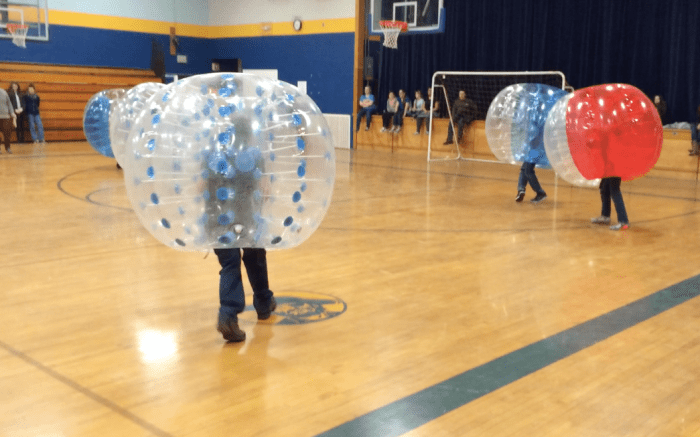 followed by a battle of the Pirate Ships in our Battle Balls. To cap off the night, the school board all got in the Battle Balls and solved some of the more important issues….like who has the best stamina!











 We have moved!